
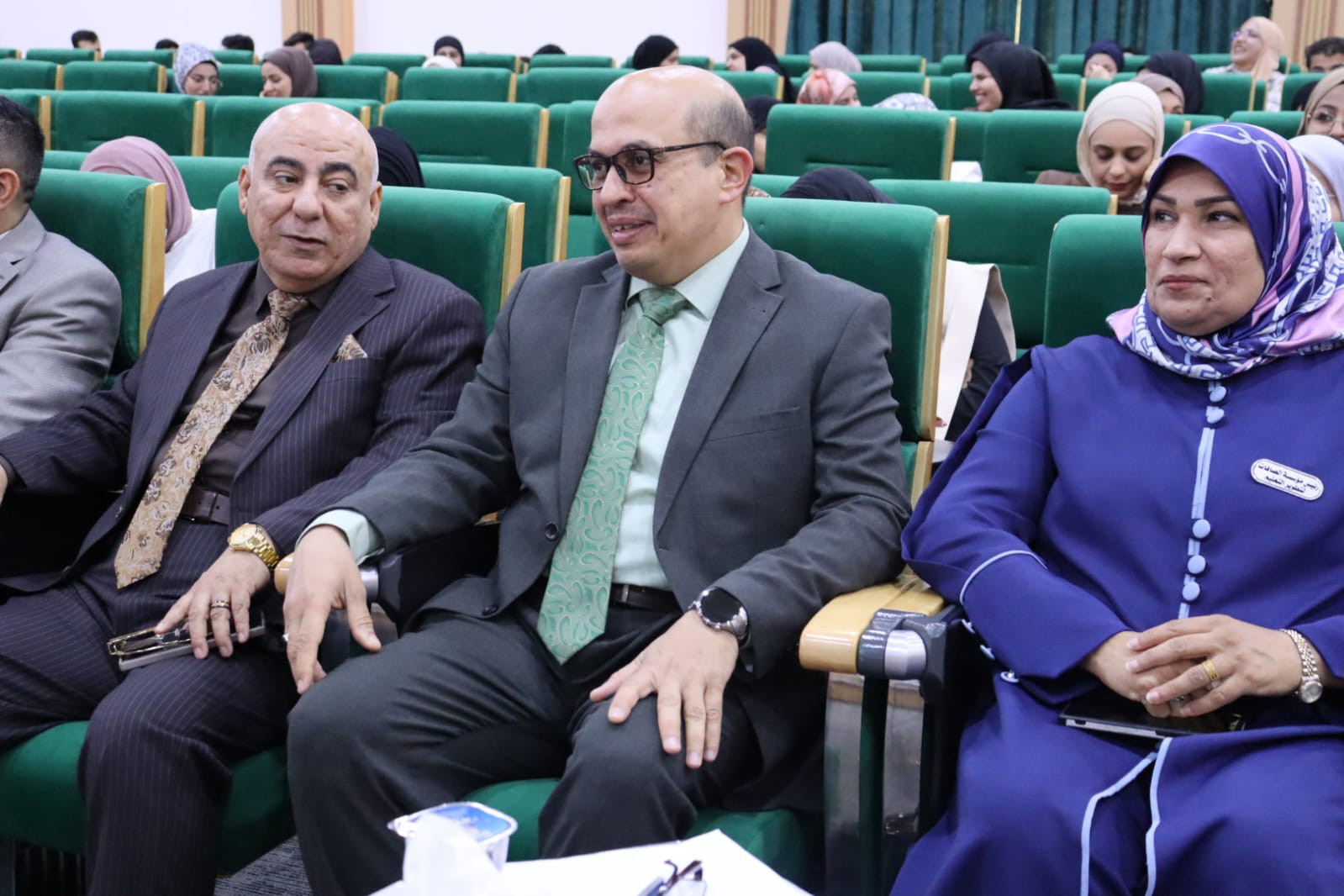
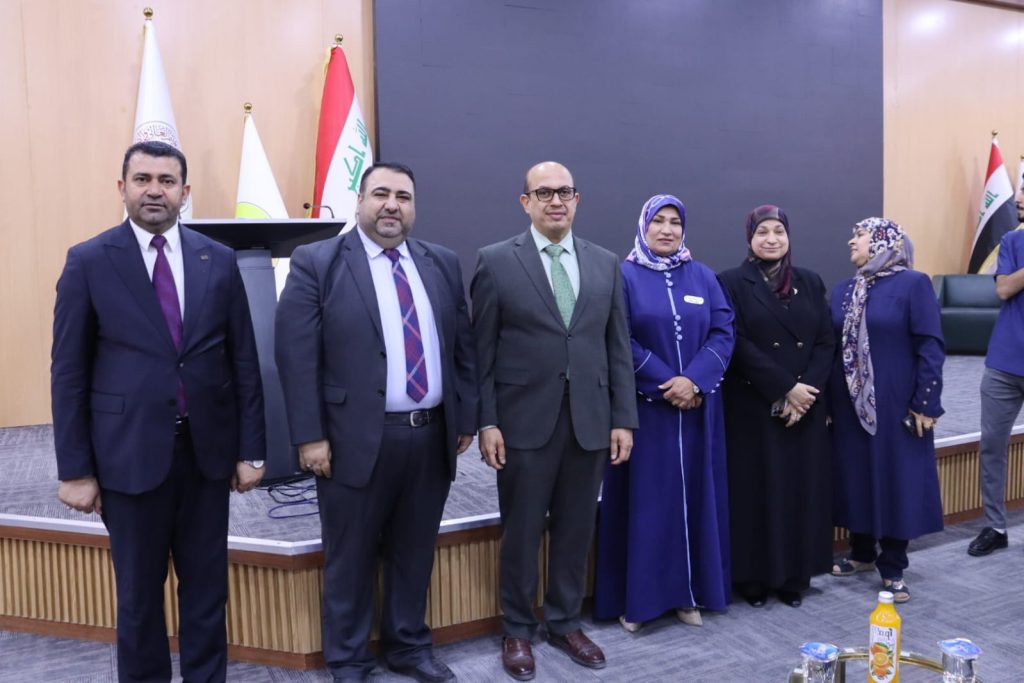
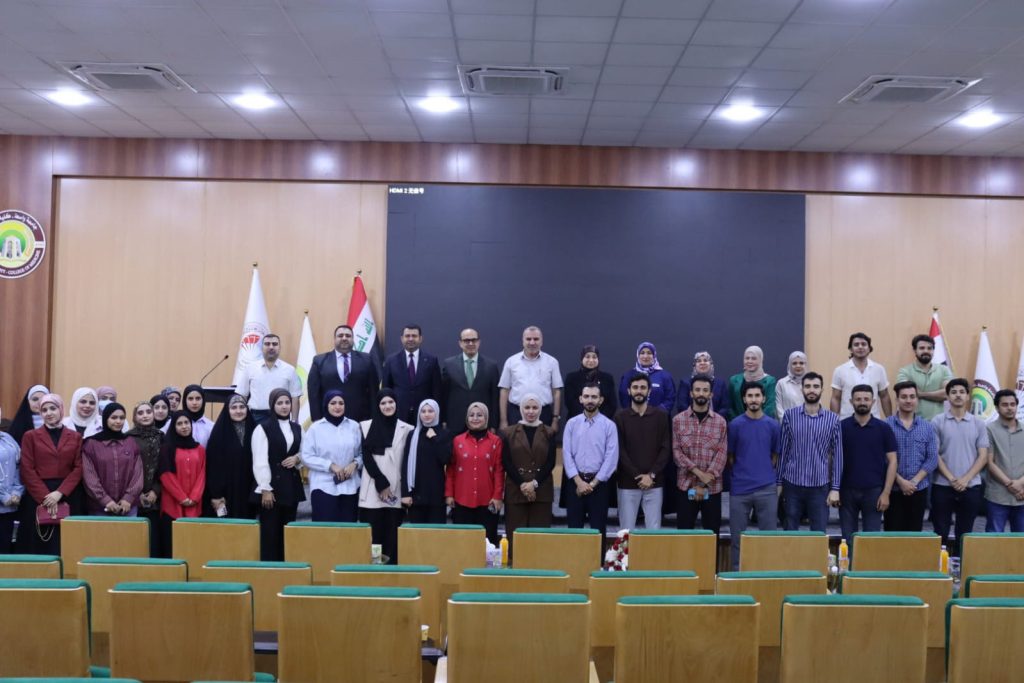
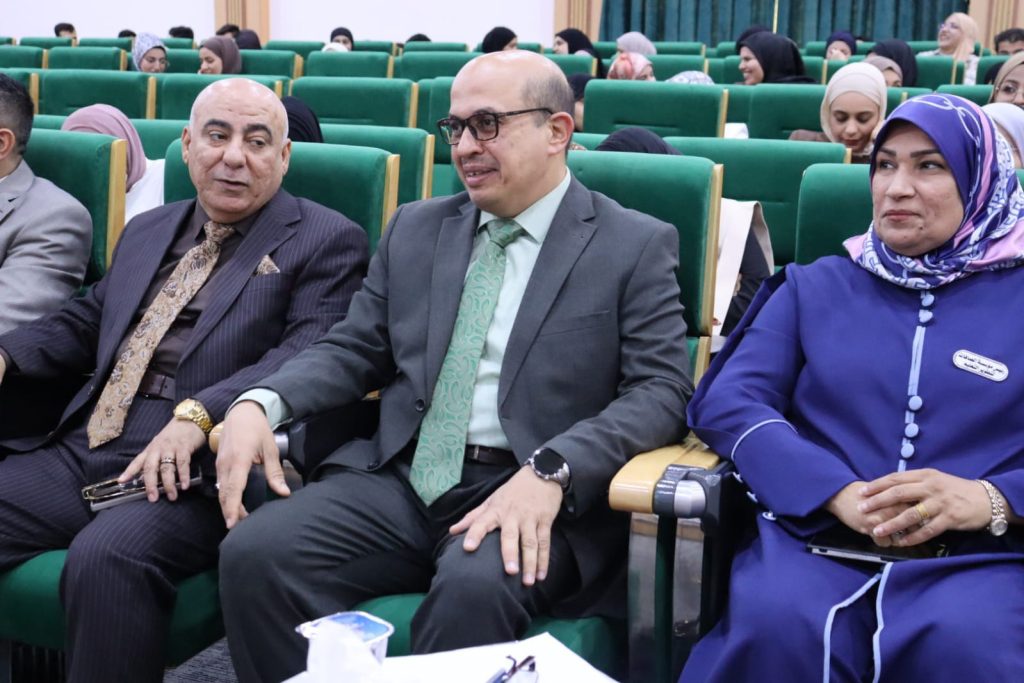
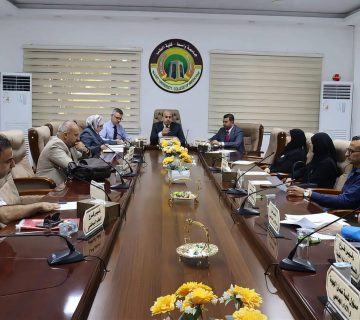
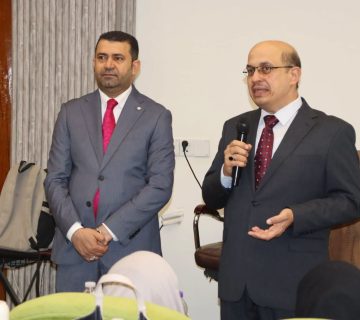
Under the patronage of the President of Wasit University, the University’s Faculty of Medicine, in collaboration with the Public Health Department of the Wasit Health Directorate, organised a scientific symposium on the pollution of the Tigris River and ways to address it. The event was attended by the President of Wasit University, Prof. Abbas Laftah Knehar, along with a number of representatives from various government departments and professors from Wasit University
The seminar addressed the pollution of the Tigris River that occurred a few days ago due to the opening of the Diyala tributary into the Tigris River south of Baghdad, and its health, environmental and economic impacts, focusing on proposing practical scientific solutions to reduce pollution and improve health conditions in the province.
Dr
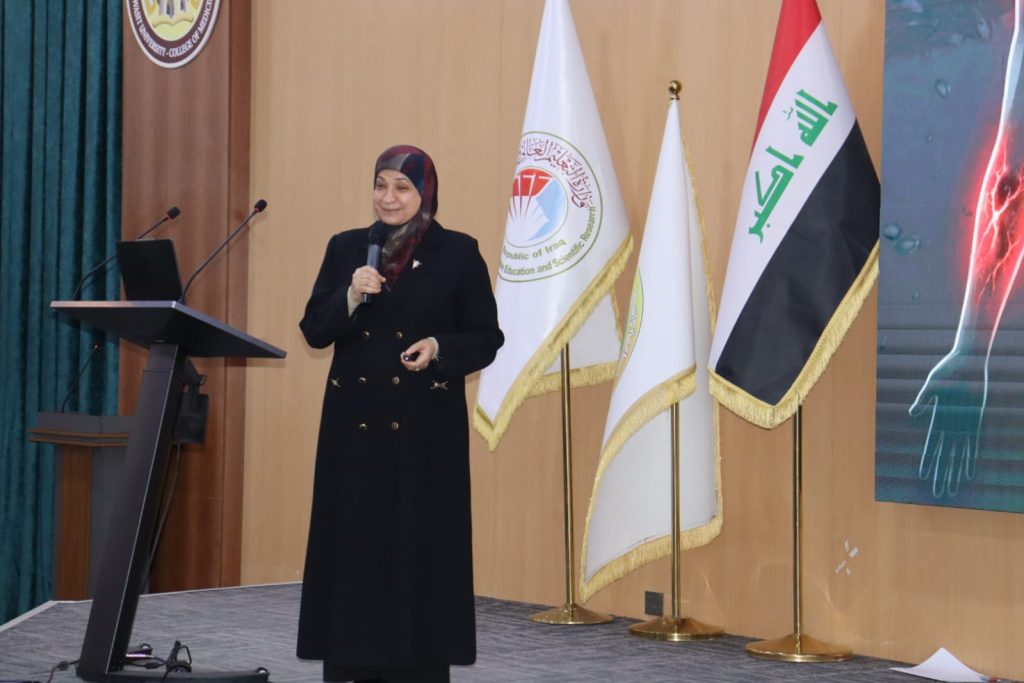
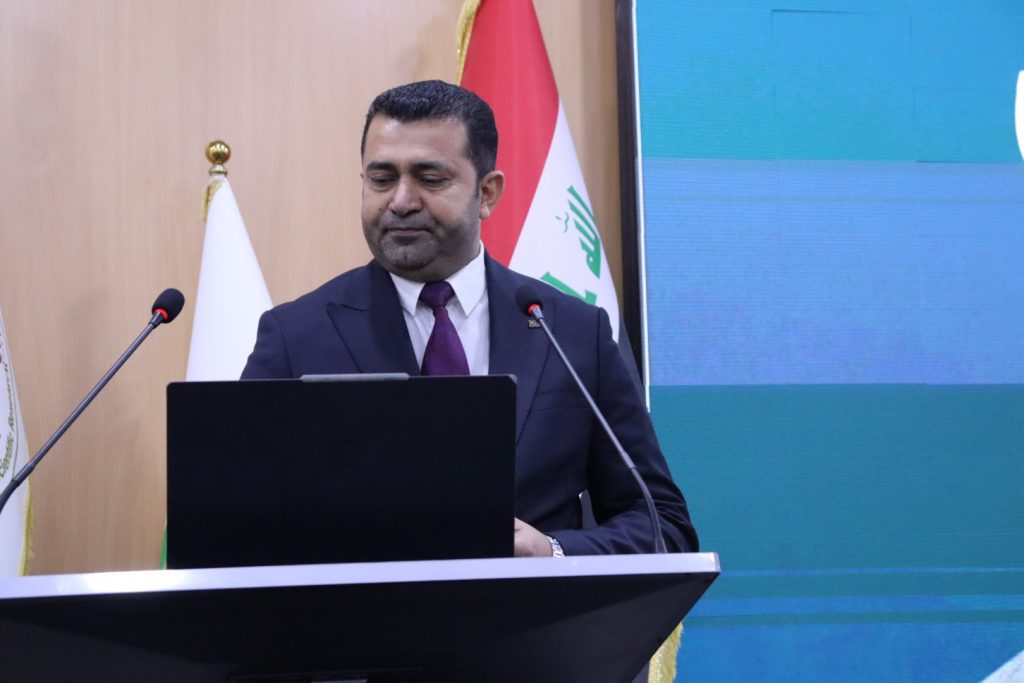
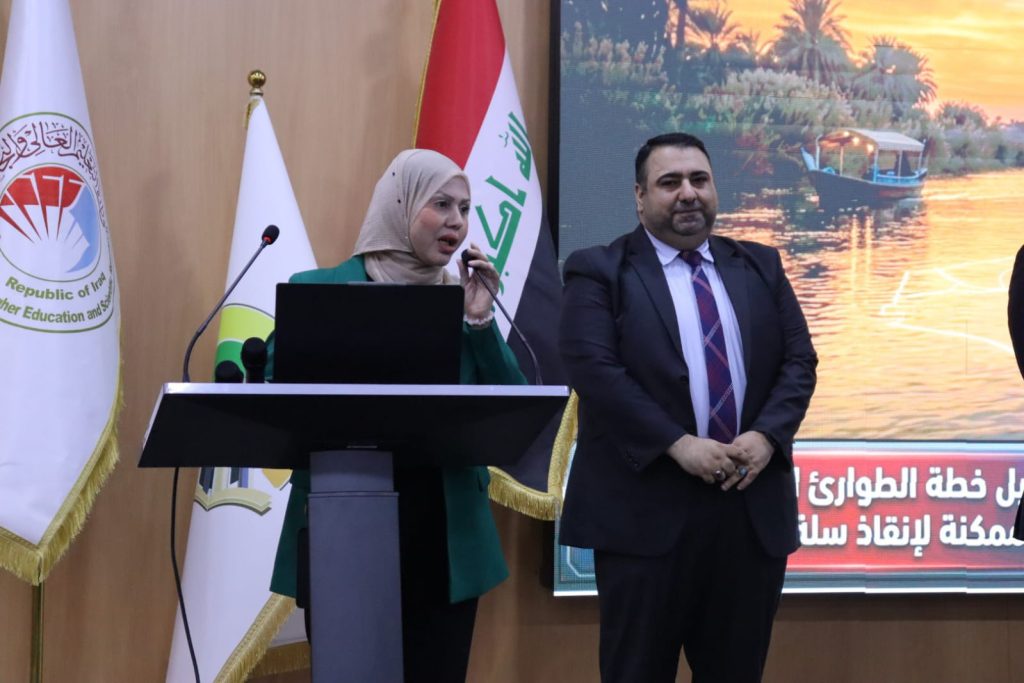
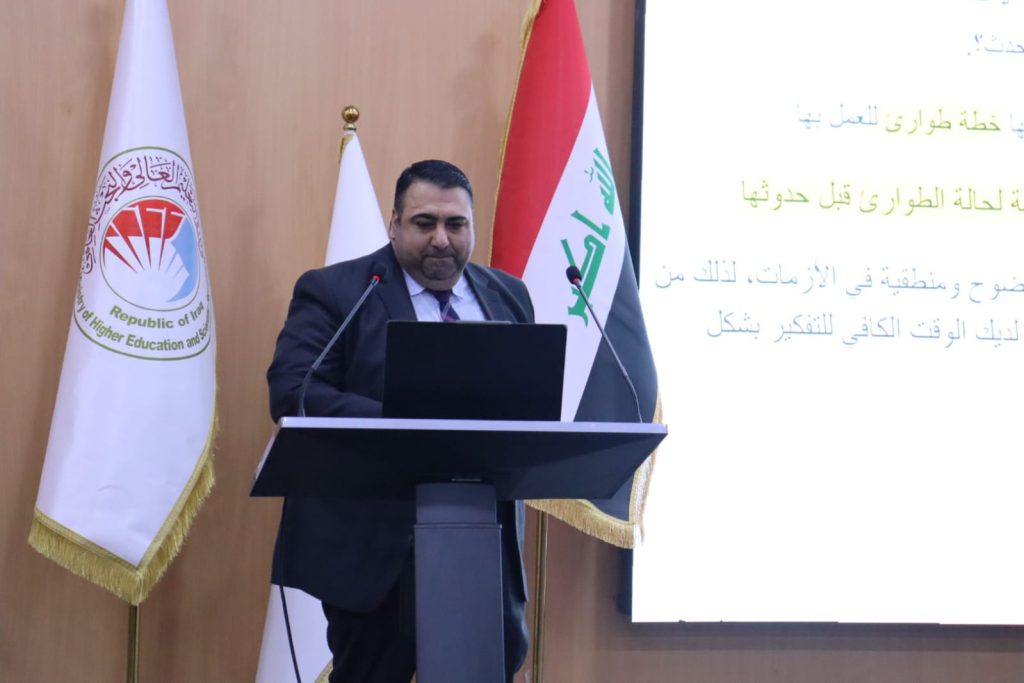
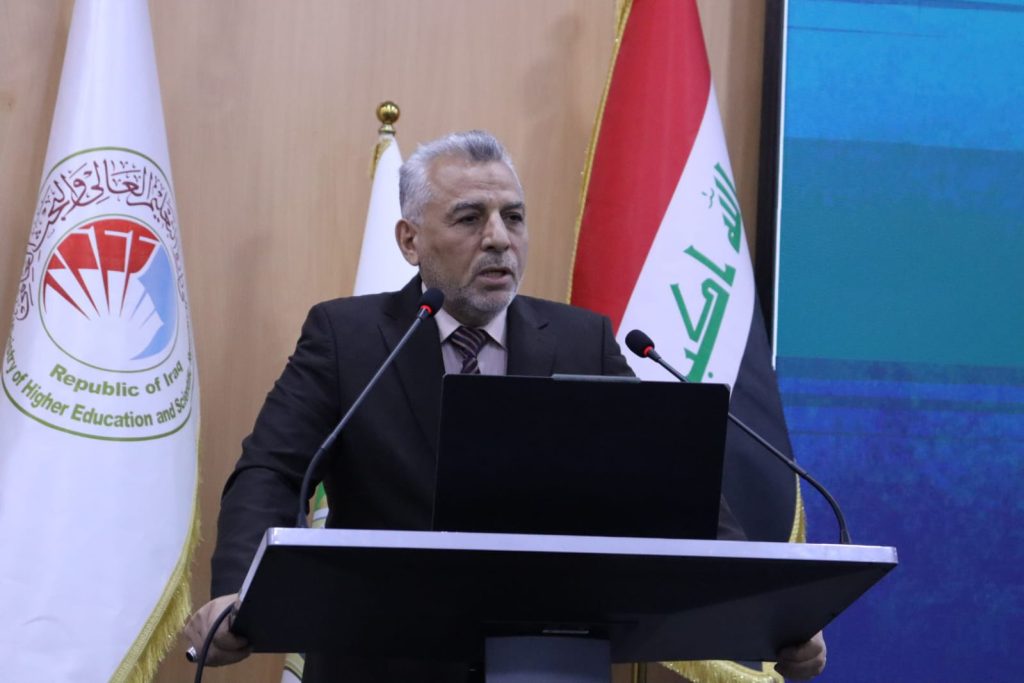
Dr. Hassanin Ali Al-Saidi, representing the Department of Public Health and a member of the Rapid Response Team, gave a presentation on the emergency plan being implemented to monitor preventive and epidemiological health aspects, oversee regulatory measures, raise health awareness, promote health within the community and among schoolchildren, provide the necessary materials, supplies and treatments during the current crisis, and coordinate with the local government and other departments
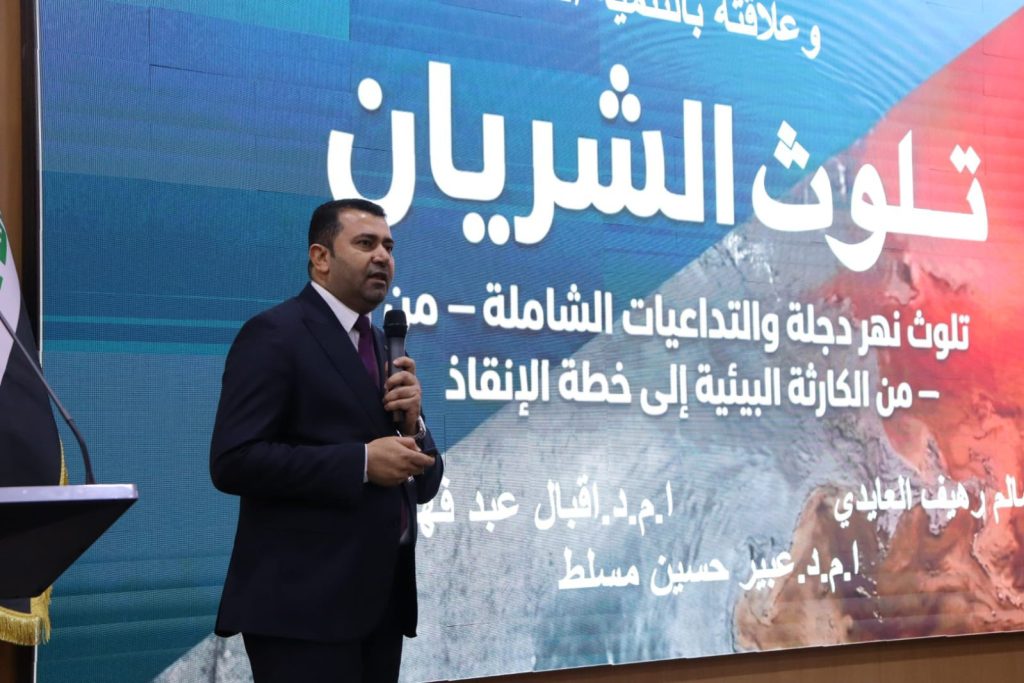
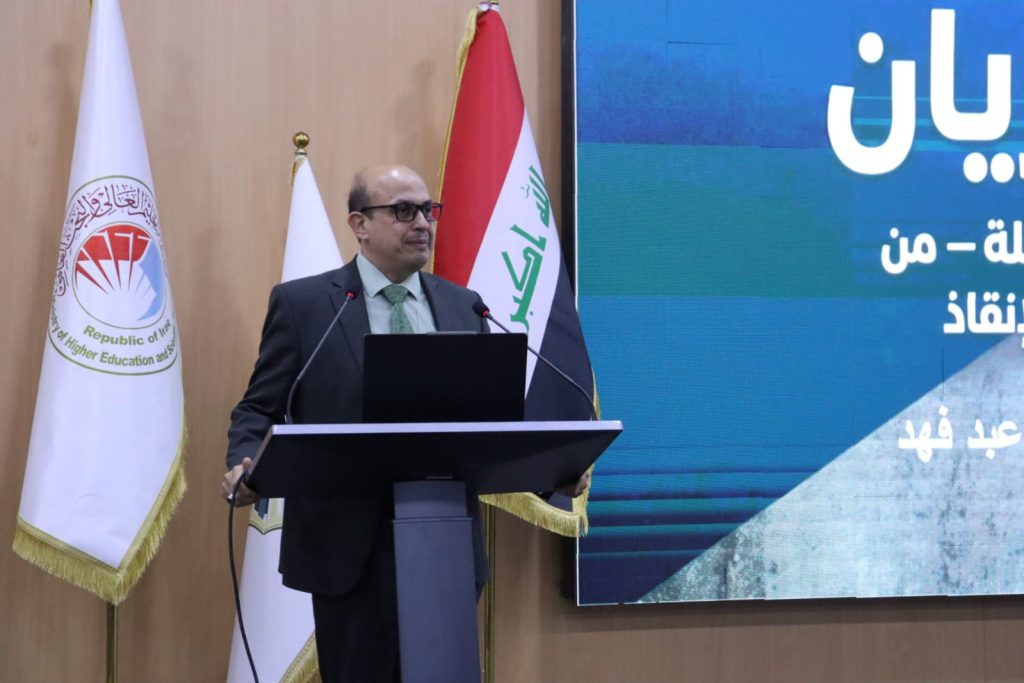
The symposium also featured a lecture and scientific discussion on this incident, with contributions from Dr Salim Rahif Al-Aidi, Dr Iqbal Abdul-Fahd (Head of the Department of Obstetrics and Gynaecology), and Dr Abir Hussein, as well as a contribution from the Dean of the Faculty, Dr Nasir Kazim Al-Maliki, on the implications and necessary solutions
The President of Wasit University, Professor Abbas Laftah Al-Aqabi, emphasised that the university attaches great importance to environmental and health issues, noting that the pollution of the Tigris River represents a national challenge requiring the concerted efforts of scientific and institutional bodies to find sustainable solutions
The Dean of the Faculty of Medicine also explained that organising this symposium forms part of the Faculty’s role in serving the community and promoting health awareness, emphasising that water pollution has a direct impact on citizens’ health, which calls for an intensification of scientific studies and research.
In conclusion





No comment